Skylights: Everything You Need to Know Before Installing
Skylights have the ability to transform interior spaces by boosting natural light and enhancing airflow. They can be found in numerous styles, each designed to meet different architectural requirements. However, potential buyers must consider factors like location, roofing compatibility, and maintenance requirements. Although the advantages are evident, challenges may arise after installation. Understanding these aspects is essential for anyone contemplating this addition to their home. What key considerations should homeowners keep in mind before moving forward?
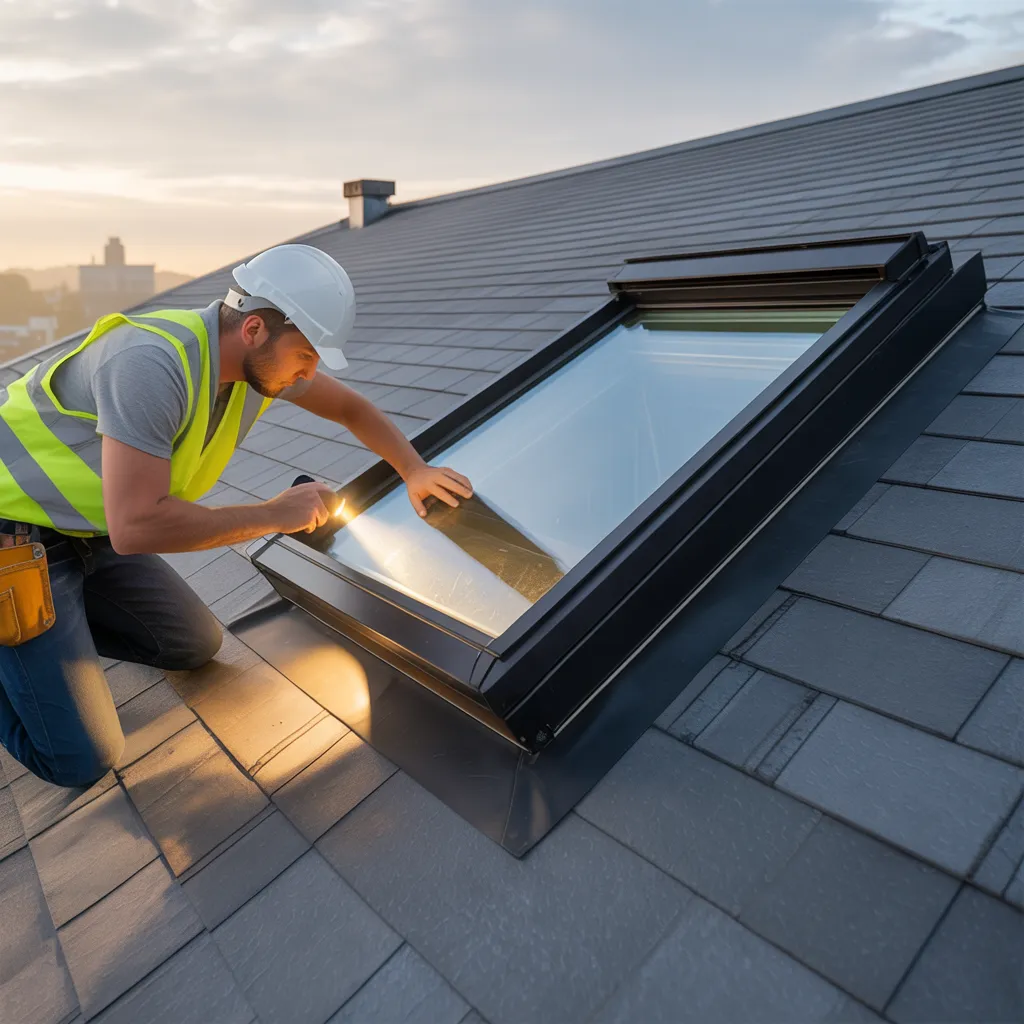
Why Skylights Are a Wonderful Addition to Your Home
Skylights are capable of transforming a dark space into a light-filled, appealing environment, elevating both the look and usability of the space. By permitting sunlight to pour into the room, they create a sense of openness and expand the visual dimensions of a room. This boost in brightness not only elevates spirits but can also reduce reliance on artificial lighting, leading to potential energy savings.
In addition, skylights can boost ventilation, particularly when operable options are chosen, facilitating air circulation and creating a inviting indoor environment. They can also work as a unique architectural detail, bringing beauty and distinction to different architectural styles.
Beyond practical benefits, skylights can enhance the overall feel, creating a more comfortable living space. Residents often notice that the integration of these features fosters a connection with the outdoors, enriching their daily living. All things considered, skylights are a beneficial upgrade that merges beauty with utility, making them a excellent consideration for homeowners looking to improve their space.
Discovering Various Skylight Styles
In the world of skylights, a variety of designs deliver specific advantages for diverse applications. Fixed skylights present an easy option for boosting natural illumination, while ventilated skylights facilitate airflow and temperature control. Tubular skylights, alternatively, are intended for limited spaces, expertly collecting and distributing natural light.
Fixed Skylights Overview
Natural light serves a vital function in improving the atmosphere of any room, and fixed skylights provide an elegant way to introduce natural light inside. These skylights are sealed installations that remain fixed in place, yet they efficiently flood rooms with natural sunlight. Available in various shapes and sizes, fixed skylights can be tailored to complement diverse architectural designs, from modern to traditional. They are commonly constructed from robust materials like tempered glass or acrylic, providing durability and resilience against harsh weather conditions. Fixed skylights additionally lower energy expenses by decreasing reliance on artificial lighting throughout the day. Perfect for hallways, living areas, or kitchens, these skylights generate a luminous, open ambiance while elevating the visual appeal of a home.
Advantages of Ventilated Skylights
Although fixed skylights offer plenty of natural light, ventilated skylights offer an additional advantage by facilitating air circulation and temperature management. These skylights can be opened manually or automatically, promoting fresh air flow and lowering indoor humidity levels. This feature can greatly improve home comfort, particularly during the hotter months, by fostering a refreshing indoor climate. Ventilated skylights additionally contribute to improved energy efficiency, as they can reduce reliance on air conditioning systems. Additionally, they contribute to better indoor air quality by permitting stagnant air to exit. Homeowners can appreciate the twofold benefits of natural illumination and ventilation, making these skylights an ideal option for areas that need both light and climate control. Altogether, ventilated skylights represent a worthwhile enhancement for any home.
Tubular Skylights Features
Tubular sun tunnels, often called tubular sun tunnels, are a remarkable choice for property owners seeking to optimize natural light in compact areas. These installations are made up of a reflective tube that channels natural light from a rooftop dome into interior spaces, efficiently brightening spaces without extensive structural modifications. Available in various sizes, they can readily fit into confined spaces such as closets, hallways, and bathrooms. These fixtures also offer eco-friendly designs, often incorporating insulated materials to limit heat dissipation. Some models include adjustable light diffusion, enabling homeowners to manage light intensity. Furthermore, they are generally easier and less expensive to put in compared to conventional skylights, making them an appealing choice for those looking to upgrade their home interiors with sunlight.
What You Should Know Before Installing Skylights
What aspects should homeowners examine before adding skylights? First, the position and angle of the skylight are critical. South-facing skylights are capable of introducing substantial sunlight, while north-facing choices provide more diffused light. Homeowners need to take into account the roof material and overall structure; not all roofs can support skylight installations without modifications.
Furthermore, the local climate conditions plays a vital role. In locations with frequent rain and heavy snow, the sealing and design are essential to eliminate the risk of leakage. A key concern is also energy efficiency, as improper installation can lead to heat loss or gain.
Finally, local building codes and regulations should be reviewed to guarantee compliance. Consulting with professionals can provide valuable insights and help mitigate potential issues during installation. With thorough consideration of these factors, homeowners are better equipped to make well-informed decisions about their skylight projects.
Discovering the Benefits and Possible Downsides of Skylights
Examining the advantages and disadvantages of skylights uncovers a balance between enhanced natural light and potential challenges. One significant advantage is the influx of natural light, which can create a more inviting and spacious atmosphere, possibly decreasing the reliance on artificial lighting throughout the day. Skylights can also improve ventilation, helping to regulate indoor temperatures and enhance air quality.
However, there are limitations to consider. Improper installation may lead to leaks, which can result in water infiltration and mold formation. Furthermore, skylights can amplify heat absorption in hotter seasons, causing higher energy costs for cooling. The servicing of skylights, such as cleaning and checking seals, can also be more labor-intensive than ordinary windows. Ultimately, knowing these benefits and limitations is important for homeowners planning to install skylights, allowing them to make educated decisions that correspond to their personal needs and lifestyle.
Skylight Challenges and How to Fix Them
Skylights serve as an excellent source of natural light in any space, but they also present various challenges. Typical concerns like leaks, moisture buildup, and incorrect installation are widely reported, which can reduce their efficiency and functionality. Being aware of these challenges and the appropriate solutions for addressing them is necessary for ensuring the long-term performance of a skylight.
Typical Skylight Concerns
Many homeowners encounter typical issues with skylights that can impact both appearance and performance. A common problem is leaking, frequently stemming from incorrect installation or worn-out seals. This may result in water damage and the development of mold. An additional problem is condensation, which occurs when warm, moist air meets the cooler surface of the skylight, leading to unattractive water droplets. Moreover, insufficient insulation can result in energy loss, creating uncomfortable temperature fluctuations indoors. Excessive sunlight glare may present difficulties as well, leaving rooms uncomfortably illuminated and accelerating context information the fading of furniture and decorations. Finally, dirt and debris accumulation can obstruct light flow, reducing the skylight's overall performance. Resolving these problems in a timely manner is crucial for preserving the advantages skylights offer.
Effective Repair Solutions
Resolving typical skylight concerns calls for practical repair strategies to reinstate both usability and appearance. Water infiltration, a widespread problem, typically stems from inadequate installation or environmental wear. To address this, homeowners ought to examine the flashing and seals, substituting worn parts with premium materials. Furthermore, condensation can be reduced by maintaining adequate airflow in the adjacent space, thus averting moisture accumulation. Cracked or damaged glass may necessitate replacement, while minor issues can sometimes be repaired with sealants designed for skylights. Routine upkeep, encompassing cleaning and assessment, can additionally lower the likelihood of subsequent issues. By adopting these approaches, homeowners can extend the lifespan and effectiveness of their skylights, making certain they continue to serve as an appealing and operational aspect of their properties.
What Is the Cost of Installing Skylights?
How much should homeowners budget for skylight installation? The cost of skylight installation varies considerably based on several factors, including the style, size, and difficulty of the installation process. Typically, homeowners can expect to pay anywhere from $1,000 to $3,000 for each skylight. This price range typically covers both materials and installation labor.
Fixed skylights tend to be priced lower than openable versions, which allow for ventilation. In addition, the installation may require structural modifications, particularly if the roof needs reinforcement or if the skylight is being added to an established structure.
Property owners should also think about the lasting advantages, such as energy savings from natural light and reduced reliance on artificial lighting. It is recommended to gather a number of bids from contractors to secure a reasonable rate and to confirm their expertise in skylight installations. Ultimately, understanding these costs can help homeowners make informed decisions about improving their homes with skylights.

Questions We Often Receive
Is It Possible to Install Skylights in Any Room of the House?
Skylights can be installed in a variety of rooms, including living spaces, kitchens, and bathrooms. Nevertheless, aspects regarding local building codes, structural integrity, and moisture management are vital to guarantee correct installation and performance.
In What Ways Do Skylights Influence Indoor Temperature?
Skylights can significantly impact indoor temperature by boosting natural light, potentially warming spaces during sunny weather. However, poor installation or the absence of shading can lead to excessive heat buildup, compromising comfort and energy efficiency within the home.
Do Energy-Efficient Skylight Options Exist?
Yes, energy-efficient skylight options are available, including those with double or triple glazing, Low-E coatings, and proper insulation. These characteristics improve thermal efficiency, decrease energy costs, and help maintain comfortable indoor temperatures throughout the year.
What Maintenance Do Skylights Require Over Time?
Skylights need regular cleaning, leak inspections, and edge resealing. Regular maintenance guarantees optimal performance and durability, reducing moisture accumulation and damage. Homeowners ought to inspect for debris buildup surrounding the skylight frame.
How Do I Choose the Right Size Skylight for My Space?
To select the correct size skylight, it is essential to consider the room's dimensions, height of the ceiling, and natural light requirements. A general guideline advises choosing a skylight that covers approximately ten percent of the room's total floor space.